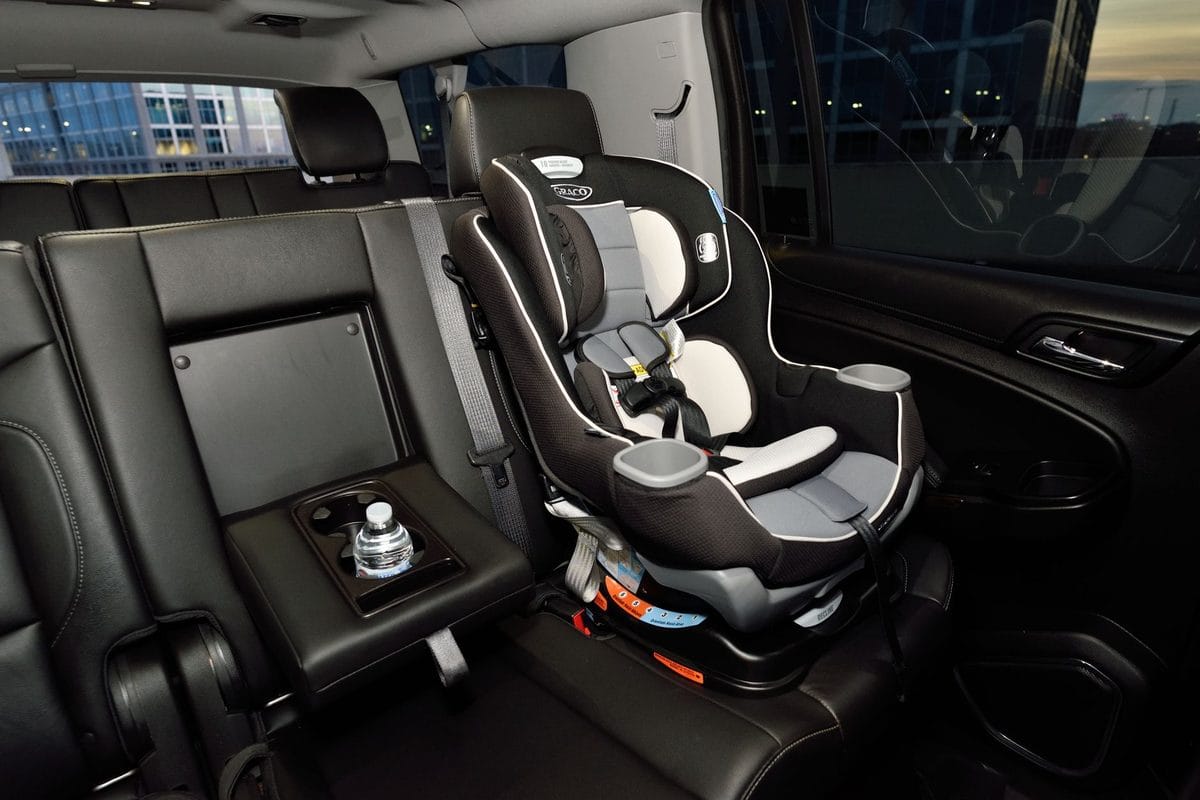
Picture the driveway on the morning of the drive to Grandma's. Your two-year-old is buckled into a seat that a neighbor lent you, and when you push on it at the belt path it rocks a good inch to the left. You have forty minutes before the highway, a trunk full of pies and a child who has already decided the window should be down. That is the moment most car seat problems start: a seat that looked fine in the garage and was never checked in the car it actually rides in.
Thanksgiving falls on 26 November this year, and the drives around it tend to be longer, later and busier than an ordinary school run. The good news is that the fixes are cheap and the checks take about ten minutes. The less comfortable news is that most of the problems are invisible until you test the seat in the car.
Start with the direction your child rides
The first question is not which seat to buy but which way it faces. The National Highway Traffic Safety Administration (NHTSA) says a child under age one should always ride in a rear-facing car seat. Between one and three, the advice is to keep the child rear-facing as long as possible, until the child reaches the top height or weight limit set by the seat's manufacturer.
Many parents turn a toddler forward too early because the legs look cramped. NHTSA's guidance points the other way, and it treats the forward-facing seat with a harness and tether as the next step only after the child outgrows the rear-facing limit. Convertible and all-in-one seats usually have higher rear-facing limits than infant-only seats, so the seat you choose now decides how long rear-facing is possible. Check the rear-facing height and weight limits printed on the label before you assume the child has outgrown it.
Hold that line even when relatives say the child looks too big for the seat. Size alone is not the test. The label's limits are.
The one-inch test, done in the actual car
A seat that moves is not doing its job.
Install the seat in the vehicle where it will ride, not in the garage where you first assembled it. Use either the lower LATCH anchors or the vehicle's seat belt to hold the seat, not both, unless the seat's manual says otherwise. Then grip the seat at the belt path, where the belt or LATCH strap passes through, and tug side to side and front to back. A seat that moves more than about one inch needs to be tightened, and the common fix is to put a knee in the seat and pull the belt or strap tight before you lock it.
Check the harness too. For a rear-facing child, the harness straps should sit at or below the shoulders, and for a forward-facing child they should sit at or above them. Pinch the harness at the chest: if you can pinch a fold of strap, the harness is too loose. The chest clip should sit at armpit level, not down on the belly.
Many vehicles do not have lower anchors in the middle seat, and some have a belt that runs awkwardly across it. A seat that fits snugly on the passenger side may not fit at all in the middle, and the car's manual will say which seating positions can take a child seat. Know that answer before you load the car, not at the curb in front of your in-laws.
Expiration dates, recalls and the hand-me-down seat
Look at the label on the seat's shell for a manufacture date and an expiration date. Many seats expire six to ten years after they were made, because the plastic and webbing age and manufacturers set the date on that basis. A seat from a yard sale or a cousin may already be past its date, and you cannot tell how it was stored in a garage or a hot car. You also cannot tell whether it was in a crash, and that history matters as much as the date. Brands such as Graco, Chicco, Britax and Evenflo all sell convertible seats, so the label on any of them is a good place to start. Check the bottom and back of the shell as well as the side, because that is where the dates are usually printed. If you still cannot find the date, contact the manufacturer before you use the seat.
Register every new seat with its manufacturer, and do it on the day you install the seat. NHTSA's car seat resources explain the registration and recall-notification process, and a registered seat is the easiest way for a recall notice to reach you. Ask the manufacturer whether a seat needs replacing after a crash, since the answer varies by brand and by how hard the impact was.
If you inherit a seat, decide before you install it whether you know its full history. If the answer is no, buy a new seat instead of trusting one you cannot document. A few dollars saved on a used seat is not worth the risk of an unknown history.
Where to get a free check
NHTSA says certified technicians will inspect a car seat free of charge in most cases, at inspection stations near you, and show you how to install and use it correctly. Some locations now offer virtual inspections, which can help if you cannot make it to a station before you leave. If you cannot find a station, Safe Kids Worldwide can help you locate a certified technician. Book that check a week or two before you travel, not in a rest-stop parking lot. The technician can show you the belt path, the recline angle and the harness position in your own car, which no printed diagram can do. If the seat fails the test, you still have time to buy the right one or borrow a different car seat.
What the seat costs, and where to spend
An infant-only seat typically costs around $100 to $200 in US stores, while convertible and all-in-one seats usually run from about $150 to $400. Graco, Chicco, Britax and Evenflo all sell seats in several of these price bands, so you can compare features across brands without leaving the store. These are rough shelf ranges, and sales can move them. Every seat sold in the United States must meet the same federal standard, FMVSS 213, so a higher price mostly buys comfort, fabric and convenience features rather than a stricter legal bar.
Spend first on fit and rear-facing room, and skip features your child will not use. A seat that installs tightly in your car and gives the child years of rear-facing space is worth more than a model with a cupholder and a fancy cover. Your money is better spent on a good fit than on a premium label.
Flying with the seat
Some families fly to the holiday and bring a car seat along, which raises a different question. Look for the statement on the label or in the manual that the seat is certified for use in motor vehicles and aircraft. A seat without that approval may not be allowed on the flight, so check before you book. A convertible seat is often bulky and heavy, and it may not fit in an overhead bin or a carry-on bag. Pack the seat so the harness and buckles are protected, and leave room in the carry-on for the diaper bag.
Before the pies go in
Run the check in this order: confirm the direction the seat faces, do the one-inch test in the car where the child will ride, check the harness height and the chest clip, and confirm the expiration date on the shell. Then take a photo of the installed seat and the label, so the details are on your phone when a grandparent asks how it was put in. The pies can go in the trunk after that.