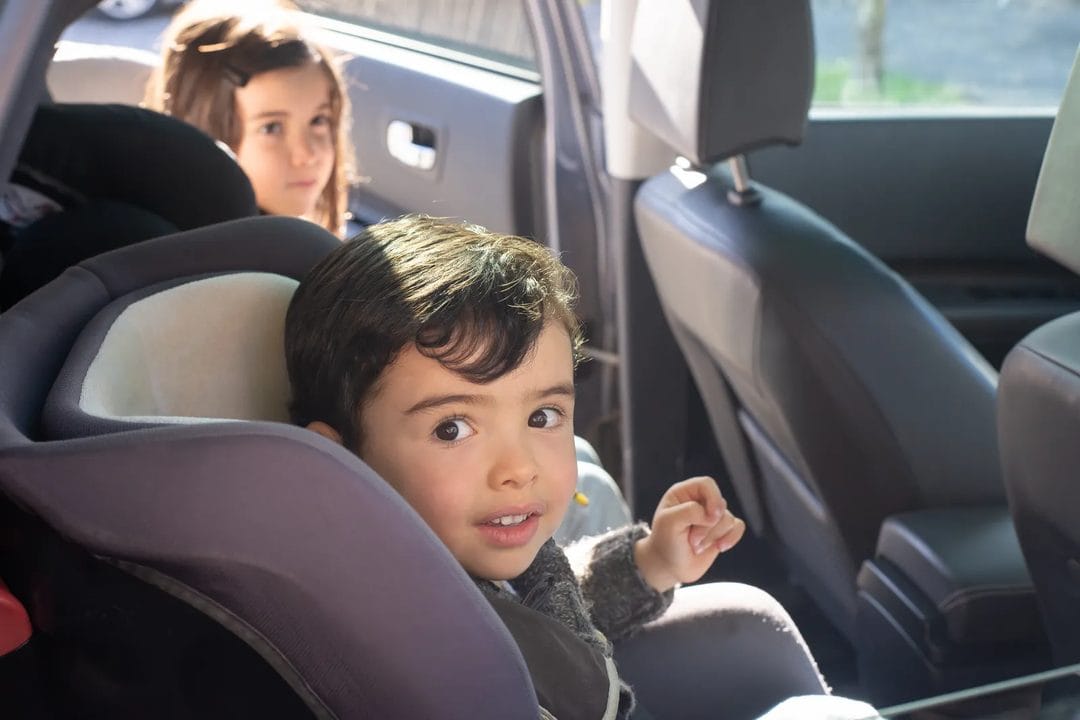
Somewhere around the Georgia-Tennessee line, four hours into what was supposed to be a six-hour drive, my two-year-old decided she was done. Not fussy-done — furious-done, the kind of screaming that makes you check the rearview mirror every eight seconds just to confirm nobody's actually hurt. We pulled off at the next exit, sat in a Waffle House parking lot for twenty minutes, and I ate cold hash browns while she calmed down enough to get back in the car seat. That trip taught me more about long-distance driving with a small kid than every packing list I'd read beforehand combined.
The Six-Hour Drive Doesn't Exist Anymore
Before kids, a six-hour drive meant six hours, minus maybe one gas stop and a fast coffee. With a toddler or preschooler in the back seat, the same route takes eight to nine, and the sooner you build that math into your plan instead of your hope, the less resentful you'll feel by mile two hundred. Google Maps will tell you the trip is 380 miles and five hours and forty minutes; treat that number as fiction. Add ninety minutes for stops you didn't plan, thirty for the ones you did, and another hour of buffer for the inevitable moment someone needs to be extracted from a car seat mid-highway because a sock feels wrong. Families who've done this drive a dozen times stop fighting the extra time and start scheduling around it — leaving before sunrise so the first two hours are asleep-in-the-car time, or splitting an eight-hour route across two shorter days with a motel in the middle, which costs more but saves your sanity and, frankly, your marriage. That second option sounds like a defeat the first time someone suggests it, and then you try it once and never plan a long drive any other way again.
Nap timing is the single biggest lever you have, and most parents get it backward. Don't try to engineer a full nap — you won't get one, because car naps are shallow and easily broken by a pothole or a shift in engine noise. What you're actually aiming for is a partial nap that starts around hour two of driving and runs to hour three and a half, which is enough to reset a toddler's mood without leaving them groggy and worse than before. Skip the temptation to leave at naptime hoping for one long stretch of sleep; kids who are overtired at departure fight sleep in a moving car even harder than they do at home.
What Actually Goes in the Snack Bag
Forget the color-coded snack station photos. What works is boring, mess-resistant, and pre-portioned so nobody's opening bags at seventy miles an hour. Pack:
- Puffs, Cheerios, or pretzels in small snack-size bags — not one big bag that gets dumped on the floor within the first hour
- Squeeze pouches, which cost about $1.50 each at Target and don't crumble into the car seat straps the way crackers do
- String cheese and grapes cut in half, kept in a small soft cooler with one ice pack
- A "boredom snack" reserved for the worst stretch of the drive — something a little more exciting than the rest, held back on purpose so it still works as a distraction at hour five
- Water in a spill-proof cup, refilled at every stop, because dehydration makes meltdowns worse and nobody connects the dots in the moment
Skip juice boxes on the highway. They're sticky, they stain car seat fabric in a way that never fully comes out, and the sugar crash forty minutes later tends to line up exactly with the next stretch you needed them calm for.
The Screen Time Question You're Already Arguing With Yourself About
Use the screen.
This is not a controversial take once you're three hours into a road trip with a toddler who has already thrown a shoe at your head. A portable DVD player that straps to the headrest runs $40 to $90 at Target or Walmart and remains more reliable on long drives than streaming on a tablet, which depends on downloaded content actually working once signal drops on remote highway stretches with no cell coverage for miles. Download two or three familiar shows rather than new ones — familiar content holds attention longer in a moving vehicle because a toddler doesn't need to actively track a new plot. A Yoto Player or similar audio-only device is worth packing as an alternative for the stretches when you want less screen and more story; it keeps hands busy with physical cards instead of a touchscreen, and several parents report it buys them 45 minutes of quiet without a single meltdown. The trip is not the time to hold a hard line you don't hold at home anyway. Save that argument for a day when you're not also merging onto a freeway on-ramp.
Rest Stops Are Not Optional, Even When You're "Making Good Time"
Stop every ninety minutes to two hours, full stop, regardless of how close you are to schedule. This is the rule most parents break on the first long trip and never break again after the first trip goes badly. A Buc-ee's, a rest area with a playground, even a grocery store parking lot where a two-year-old can run in three tight circles — the specific location matters far less than the fact that legs move and lungs get fresh air. Ten minutes of physical movement resets a kid's tolerance for the next stretch of sitting in a way that snacks and screens can't touch on their own.
There's a real tension here worth naming: stopping constantly turns an eight-hour drive into a ten-hour one, and at some point the extra stops themselves become the thing that pushes bedtime late and wrecks the next day. The honest answer is that you won't get this balance right on the first trip. Watch for the signs that a stop is actually needed — a rising whine, kicking the seat in front, sudden interest in undoing the car seat buckle — rather than stopping strictly by the clock, and you'll get better at reading it by the third or fourth long drive of the summer.
When the Meltdown Happens at Mile 140
It will happen, and the response is worth planning the way you plan the snacks. The instinct in a moving car is to talk over the screaming, reason with a toddler who is well past the point of reasoning, or turn around and negotiate from the front seat while doing seventy on the interstate. None of that works, and the second one is dangerous. Pull off at the next safe exit — not the next perfect exit, the next safe one — and get the car fully stopped before doing anything else. A meltdown in a moving vehicle cannot be fixed from a moving vehicle. Once you're stopped, get low, get eye contact if the child will give it, and skip the questions ("what's wrong?") in favor of naming what you see ("you're really upset, and that's okay, we're stopped now"). Most car-seat meltdowns burn out in ten to fifteen minutes once the car isn't moving and nobody's shouting over the noise. Cracker Barrel, Chick-fil-A, and most large gas station chains have space to let a toddler walk it off between the parking lot and the door, and eating something warm at that point does more good than another snack pouch.
The Trip You Actually Have, Not the One on Pinterest
Every road trip photo you've seen shows a clean back seat, a happily snacking toddler, and a felt board of matching activity kits taped to the seatback in front of them. Ours had crushed pretzel dust ground into the car seat straps by hour three and a half, a doll missing one shoe somewhere under the passenger seat, and one very memorable stretch of I-75 spent listening to the same eleven minutes of a Bluey audiobook on repeat because that was the only thing keeping the peace.
What Actually Made the Difference
- Leaving thirty minutes earlier than felt necessary, because the getting-in-the-car process alone eats more time with a toddler than any adult remembers
- Accepting a slower average speed and building it into the plan instead of fighting it at hour six
- Packing one truly novel toy — not the whole toy box, one — reserved specifically for the worst hour of the drive
- A car trash bag hung on the gear shift, which sounds minor and turns out to matter enormously by day two of a multi-day trip
None of it made the drive smooth. It made the drive survivable, which — three summers and about eleven thousand miles into parenting through road trips — turns out to be the actual goal. The Pinterest version was never going to happen anyway; the sooner you stop measuring your back seat against it, the sooner the trip starts feeling like something you did together instead of something you got through.